
When people talk about South America’s iconic drinks, they often mention Peruvian pisco, Argentine wine or Mexican tequila. However, Bolivia has a distinctive spirit of its own, with a long history and a character that sets it apart: Singani.
Made from Muscat of Alexandria grapes grown in Bolivia’s high-altitude valleys, Singani is much more than a distilled spirit. It is part of the country’s history, culture and identity.
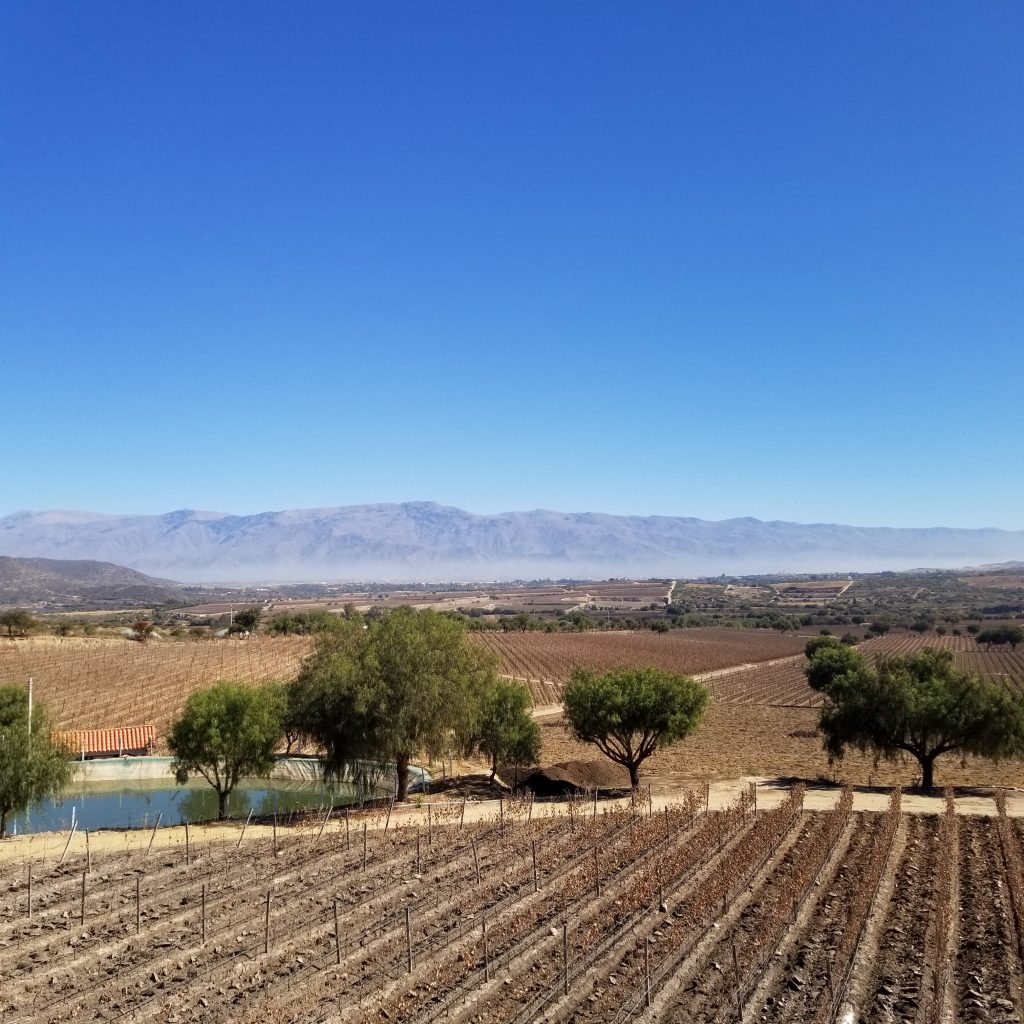
And in Tarija, one of Bolivia’s principal wine-producing regions, discovering Singani also means discovering a tradition that remains very much alive.
A History Rooted in Bolivia’s Valleys
The history of Singani is closely connected to the arrival of grapevines in Bolivia during the colonial period. The first vineyards were established in the inter-Andean valleys, where the climate and altitude offered favourable conditions for growing grapes and producing wine.
Over time, distilling grapes became another way to make use of the region’s wine production. Gradually, a distinctive spirit developed its own identity and place in Bolivian culture.
There are several historical explanations for the origin of the name Singani. One of the best-known links it to an old rural estate called Sinkani or Singani, in the Cintis region of what is now the department of Chuquisaca.
Although its history is connected with several wine-producing valleys, Tarija has become one of Bolivia’s leading destinations for discovering the country’s wine and Singani culture.
What Makes Singani Special?
The essential ingredient in Singani is the Muscat of Alexandria grape, an aromatic variety known for its floral and fruity characteristics.
Unlike wine, which is produced by fermenting grape juice, Singani is made by distilling wine produced from fresh grapes. This process creates a clear, aromatic spirit that retains much of the distinctive character of the grape variety.
In the glass, Singani typically displays floral aromas, fruity notes and a fresh, distinctive character.
Its personality is closely linked to the quality of the grapes, the growing conditions and the care taken throughout the production process.
The Character of High-Altitude Wines and Spirits
One of the most interesting aspects of Singani is its connection with Bolivia’s high-altitude landscapes.
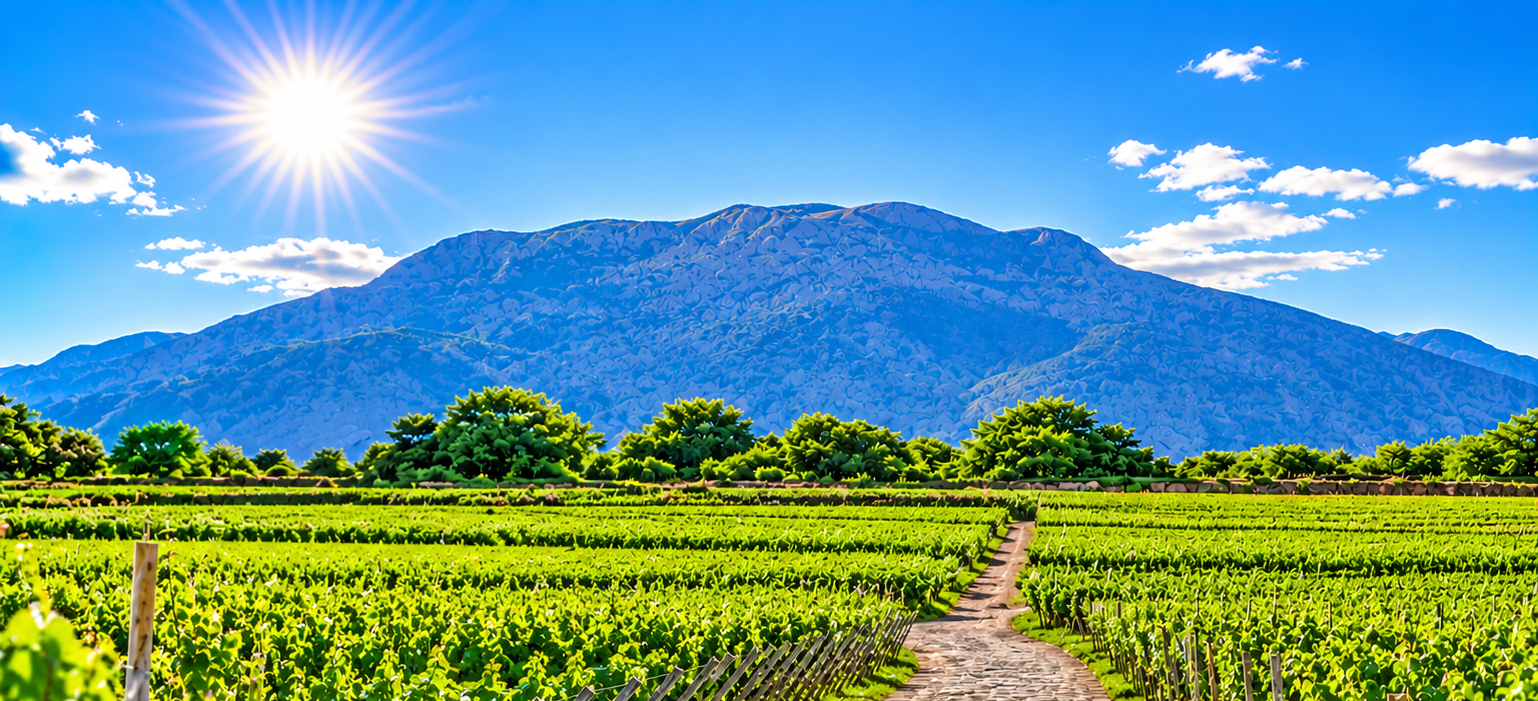
Vineyards in the country’s recognised production regions are located in inter-Andean valleys, often at elevations exceeding 1,600 metres above sea level.
The combination of altitude, sunshine, temperature variations and local soil conditions creates distinctive environments for growing grapes.
In Tarija, vineyards form part of a landscape of mountains, fertile valleys and small rural communities. This environment not only produces grapes but has also shaped a rich and enduring winemaking tradition.
Visiting the region provides a better understanding of the relationship between the landscape, grape growing and the distinctive drinks produced here.
From the Still to the Glass
The production of Singani begins with the careful selection and harvesting of Muscat of Alexandria grapes.
After harvesting, the grapes are processed and the juice is fermented to produce a base wine. This wine is then carefully distilled to extract its aromatic components and create the finished spirit.
The producer’s experience and knowledge are essential at every stage. The quality of the raw ingredients and the care taken during production help determine the character and quality of the Singani.
Although technology has evolved and modern production facilities are now used, the process still depends on excellent grapes and a deep understanding of the craft.
How to Enjoy Singani
In Bolivia, Singani is enjoyed in several different ways.
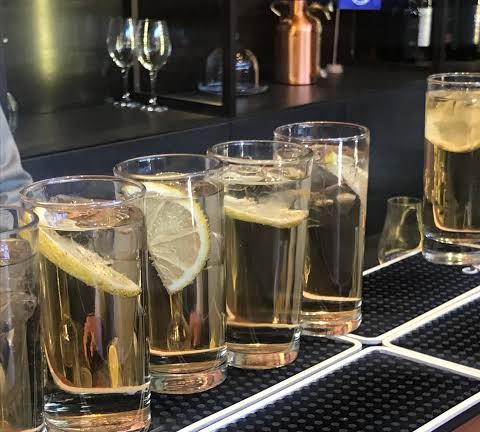
One of the best-known is the Chuflay, a traditional cocktail made with Singani, ginger ale, ice and a few drops of lemon. It is a refreshing drink and a popular choice at social gatherings and celebrations.
Singani can also be enjoyed neat, in small quantities, allowing its aromas and distinctive characteristics to be appreciated.
Its aromatic profile offers plenty of possibilities, from traditional preparations to contemporary cocktails.
In recent years, Singani has attracted growing interest among bartenders and cocktail enthusiasts, who are incorporating it into new and creative combinations.
A Protected Designation of Origin
Singani is not simply any grape-based spirit. Its name is protected by a Bolivian Designation of Origin, recognised under Law No. 1334, enacted on 4 May 1992.
This protection reserves the name Singani for spirits produced and bottled in officially recognised production areas.
The regulations also specify the use of Muscat of Alexandria grapes for a product to qualify for this designation.
The recognised production areas include parts of the departments of Tarija, Chuquisaca, La Paz and Potosí.
This recognition helps protect the product’s authenticity and distinguishes Singani as a Bolivian speciality with its own identity and geographical origins.
Discover Singani in Tarija
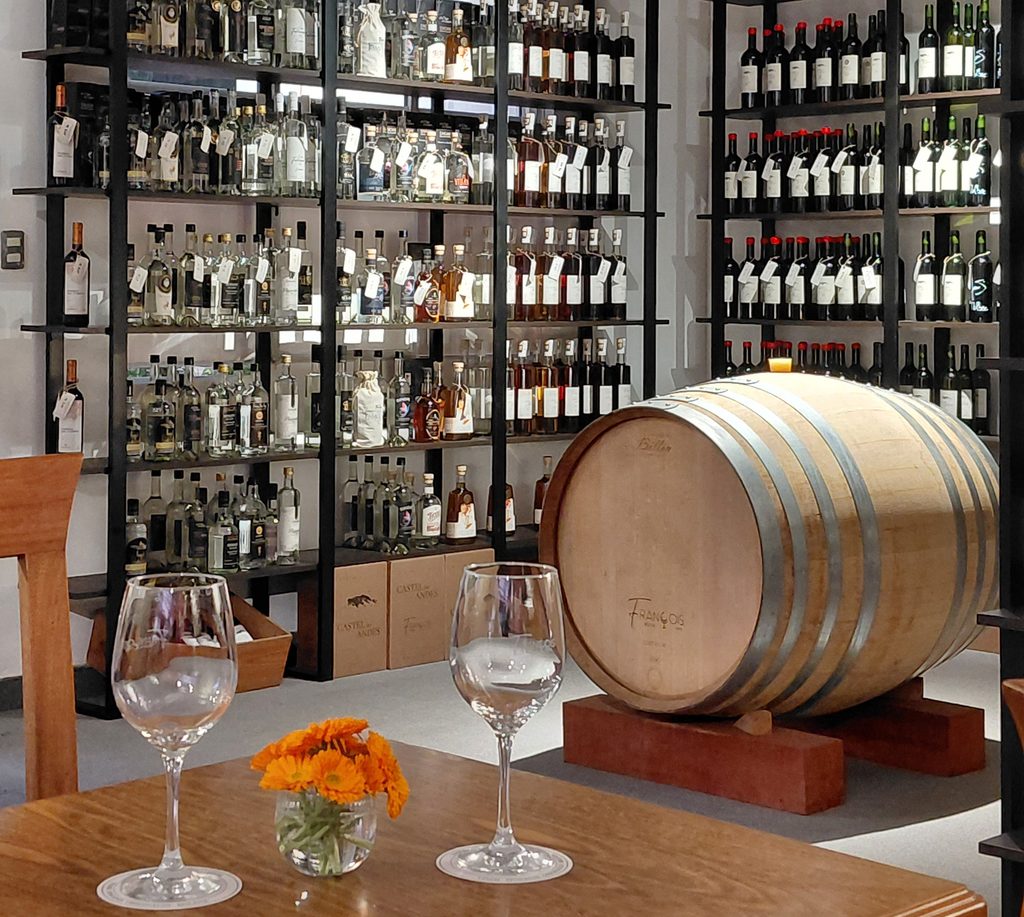
To truly understand Singani, there is no substitute for visiting the region where the grapes are grown and some of Bolivia’s most distinctive spirits are produced.
A visit to a winery or distillery offers the opportunity to discover the production process, learn about the grape varieties and hear the stories of the people who keep this tradition alive.
It is also an opportunity to enjoy the scenery, experience local cuisine and discover the hospitality of communities throughout the valleys of Tarija.
You do not need to be a drinks expert to appreciate the experience. All you need is an interest in discovering an important part of Bolivian culture.
More Than a Drink: A Bolivian Tradition
Singani represents centuries of winemaking history, the knowledge of generations of producers and the relationship between rural communities and Bolivia’s high-altitude landscapes.
Although it remains less internationally recognised than some other South American spirits, Singani has a distinctive identity and a story worth discovering.
For visitors to Tarija, discovering Singani adds another dimension to the journey. It is not simply about trying a different drink; it is about experiencing a tradition deeply connected to Bolivia’s history and culture.
Discover Tarija with Viva Tours
At Viva Tours, we believe that discovering a destination means experiencing much more than its main attractions.
We invite you to explore the valleys of Tarija, visit its wineries, discover its high-altitude wines and learn about the history of Singani.
We can help organise personalised visits where you can meet local producers, enjoy regional cuisine and discover the landscapes that make Tarija such a special destination.
Tarija has many stories to tell. Singani is just one of them.